Featured Hergenrother Group Member
James Heeres graduated from UIUC in May 2010 with a PhD in Biochemistry. While in the Hergenrother lab, James developed a novel technology for the identification of compounds that disrupt protein-DNA interactions, and recently modified this technology to detect protein-protein interactions as well . He is also the author of a review on caspase-independent cell death, and one on the use of biosensor technology in high-throughput screening. James also presented his work at the 2008 Bioorganic Gordon Research Conference in New Hampshire and is currently a postdoctoral fellow in the laboratory of Prof. Mel Feany at Harvard Medical School.
Featured Hergenrother Group Member
Dr. Kathryn Partlow was a postdoctoral fellow in the Hergenrother laboratory. Kathy was been involved in the evaluation of novel rhodanine-based poly(ADP-ribose) glycohydrolase (PARG) inhibitors. Kathy presented some of her work at PARP2010 in Zurich, Switzerland. Kathy is currently a Research and Grant Development Specialist in the College of ACES at UIUC.
Featured Hergenrother Group Member
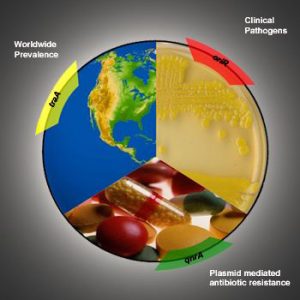
Elizabeth Moritz Halvorsen graduated from UIUC in June 2010 with a PhD in Microbiology. While in the Hergenrother lab, Elizabeth was a member of the Cell and Molecular Biology Training Grant. Elizabeth discovered that the genes for toxin-antitoxin systems are ubiquitous and plasmid-encoded in certain pathogenic bacteria, and determined the mechanism of the txe toxin of the axe-txe toxin-antitoxin system, and investigated the prevalence of TA genes in clinical isolates of MRSA. Elizabeth also wrote a book chapter on the prevalence of plasmid-encoded resistance in bacteria and presented some of her work at the 2008 Antibacterial Gordon Research Conference in Italy. Elizabeth is currently a postdoctoral fellow in the laboratory of Prof. Darren Higgins at Harvard Medical School.
Featured Hergenrother Group Member
Rahul Palchaudhuri graduated in 2011 with a PhD in Chemistry. While at UIUC Rahul synthesized and evaluated two novel classes of anti-cancer agents, the TPMPs and TPMAs, both with in vivo activity, one of which has been licensed for development as a human chemotherapeutic by LinkCore Pharma. Rahul was instrumental in assessing the mode of action of cribrostatin 6, DNQ, anti-mitotics, and LDH-A inhibitors. Rahul has received the UIUC Fuson Travel Award, the Vandeveer Vorrhees Award for Best Original Research Proposal, and a Pines Graduate Fellowship. He has written reviews on DNA binding anti-cancer drugs and systems biology approaches to target identification. He presented his work at the 2009 Gordon Research Conference on Bioorganic Chemistry and is currently a postdoctoral fellow in Prof. Scadden's lab at the Harvard Stem Cell Institute.
Featured Hergenrother Group Member
Kristin Finch graduated from UIUC in 2011 with a PhD in Chemistry. While in the Hergenrother lab, Kristin was a member of the Chemical Biology Interface Training Grant. Kristin developed novel small molecule inhibitors of poly(ADP-ribose) glycohydrolase (PARG), compounds that selectively inhibit PARG over the other PAR glycohydrolase. Kristin presented some of her work at the PARP2010 conference in Zurich, Switzerland. Kristin is currently a postdoctoral fellow at Saint Jude Children’s Research hospital in Memphis, TN, working in the laboratories of Profs Kip Guy and Michael Dyer.
Featured Hergenrother Group Member
Nora Wang Eibergen graduated from UIUC in January 2011 with a PhD in Organic Chemistry. While in the Hergenrother lab, Nora was the recipient of a Department of Homeland Security predoctoral fellowship. Nora worked on the development of novel anti-bacterial agents, and in this context developed a novel assay for the MazF bacterial toxin and discovered the novel antibacterial agent ABTZ-1. Nora presented some of her work at the 2008 ACS National Meeting in New Orleans and is currently an NIH postdoctoral fellow in the laboratory of Prof. Helen Blackwell at the University of Wisconsin, Madison.
Featured Hergenrother Group Member
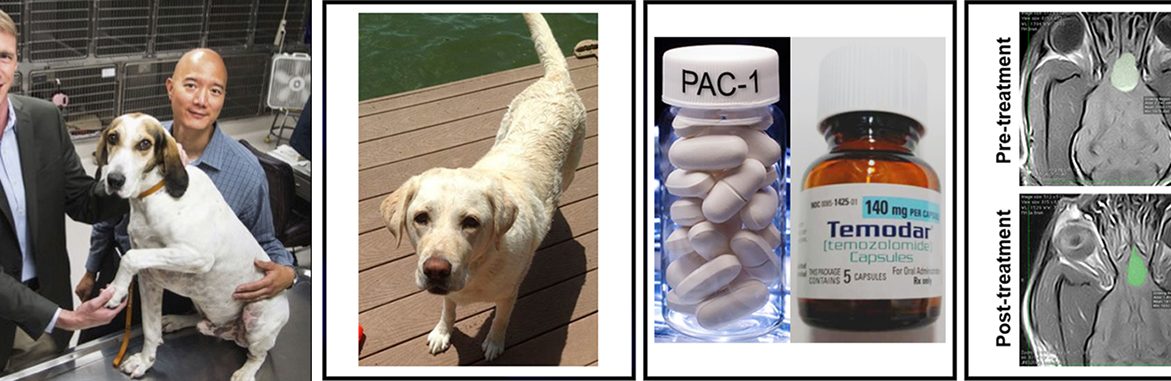
Diana West graduated from UIUC in June of 2011 with a PhD in Chemistry. While in the Hergenrother lab, Diana evaluated a novel class of trioxane sulfone dimers as anti-cancer agents, and was part of the team that discovered the mechanism by which the compound PAC-1 activates procaspase-3 and -7. Diana also developed a gram-scale solution-phase synthesis of the Ac-DEVD-pNA caspase-3/-7 substrate and developed the compound S-PAC-1 for a Phase I clinical trial in pet dogs with lymphoma. In addition, Diana performed detailed mechanistic studies on PAC-1 and S-PAC-1. Diana was the recipient of a pre-doctoral fellowship from the NIH, and has presented her work at the DoD Era of Hope Breast Cancer conference, the NIH Summit 2008, and SACNAS national conferences and is now a postdoctoral fellow in the laboratory of Charles Clevenger at Northwestern University.
Featured Hergenrother Group Member
Quinn Peterson graduated from UIUC in July 2011 with a PhD in Biochemistry. Quinn was a member of the Chemistry-Biology Interface Training Grant. Quinn was part of the team that identified the mechanism by which the novel anti-cancer agent PAC-1 activates procaspase-3 and that defined the SAR and sub-cellular localization for PAC-1. Quinn also developed a gram-scale solution-phase synthesis of the Ac-DEVD-pNA caspase-3/-7 substrate and developed the compound S-PAC-1 for a Phase I clinical trial in pet dogs with lymphoma, and probed the In 2009 Quinn was awarded a predoctoral fellowship from the Medicinal Chemistry Division of the American Chemical Society and presented his work at Experimental Biology 2009 among numerous other conferences. Quinn is now a posdoctoral fellow in the laboratory of Professor Douglas Melton at Harvard University.
Featured Hergenrother Group Member
Claire Knezevic graduated in 2008 with a B.A. in Chemistry from Scripps College. While in the Hergenrother laboratory, Claire has been part of the design, synthesis, and evaluation of novel inhibitors of poly(ADP-ribose) glycohydrolase (PARG), including the X-ray structure of one of these inhibitors bound to PARG. Claire presented some of her work at PARP 2010 in Zurich, Switzerland, and at the 2012 Bioorganic Gordon Research Conference. She is an NSF predoctoral fellow.
Featured Hergenrother Group Member
Howard Roth graduated in 2009 with a B.S. in chemistry from Northwestern University, where he conducted undergraduate research with Prof. Karl Scheidt. In the Hergenrother laboratory Howard has been working on the development of potent anticancer agents, and recently published a manuscript on the design, synthesis, and evaluation of a 837-membered library of PAC-1 derivatives. Howard was awarded a predoctoral fellowship from the Medicinal Chemistry Division of the American Chemical Society.
Featured Hergenrother Group Member
Rachel Botham graduated with a B.S. in Chemistry and Biological Sciences from the University of Pittsburgh, and joined the chemical biology graduate program at UIUC as a member of the Chemical Biology Interface Training Program and as a Springborn Fellow. While in the Hergenrother lab Rachel has developed a convenient synthesis of a chromogenic caspase substrate, and was part of the team that identified potent new anticancer agents from a library of PAC-1 derivatives. Rachel is an NSF predoctoral fellow.
Featured Hergenrother Group Member
Joe Bair graduated from UIUC in December of 2011 with a PhD in Chemistry. While in the Hergenrother lab Joe synthesized the novel anticancer compound DNQ, an extremely potent azaanthraquinone, and Joe also determined the mechanism by which DNQ induces death in cancer cells. While at UIUC Joe was the recipient of the Pytosh Graduate Fellowship, the Pines travel award, and the Fuson Travel Award, an award that allowed Joe to present his work at the 2010 Gordon Research Conference on Natural Products. Joe is now a postdoctoral fellow in the laboratory of John Hartwig at UC Berkeley.
Featured Hergenrother Group Member
Julia Williams graduated with a B.S. in Microbiology from the University of Idaho and joined the Hergenrother lab in 2007 as a graduate student in the Department of Microbiology. Julia is investigating the tractability of toxin-antitoxin systems as novel antibacterial targets, and has published a manuscript on the mechanism of the txe toxin, on the prevalence of toxin-antitoxin genes in MRSA and P. aeruginosa, and a review of the potential of exploiting plasmid-encoded factors in antimicrobial therapy, and another on artificial activation of toxin-antitoxin systems as an antibacterial strategy. Julia is a member of the NIH Cellular and Molecular Biology Training Grant, and presented some of her research at PacifiChem 2010.
Featured Hergenrother Group Member
Emilia Calvaresi graduated in 2009 from Rice University with degrees in Biochemistry, Cell Biology, and English. Emilia joined the Hergenrother laboratory in December 2009 as an MD/PhD student and is a recipient of an NIH predoctoral fellowship. Emilia is exploiting the Warburg Effect as a selective anticancer approach, and has published a manuscript on the inhibition of lactate dehydrogenase A (LDH-A) as a selective anti-tumor strategy.
Featured Hergenrother Group Member
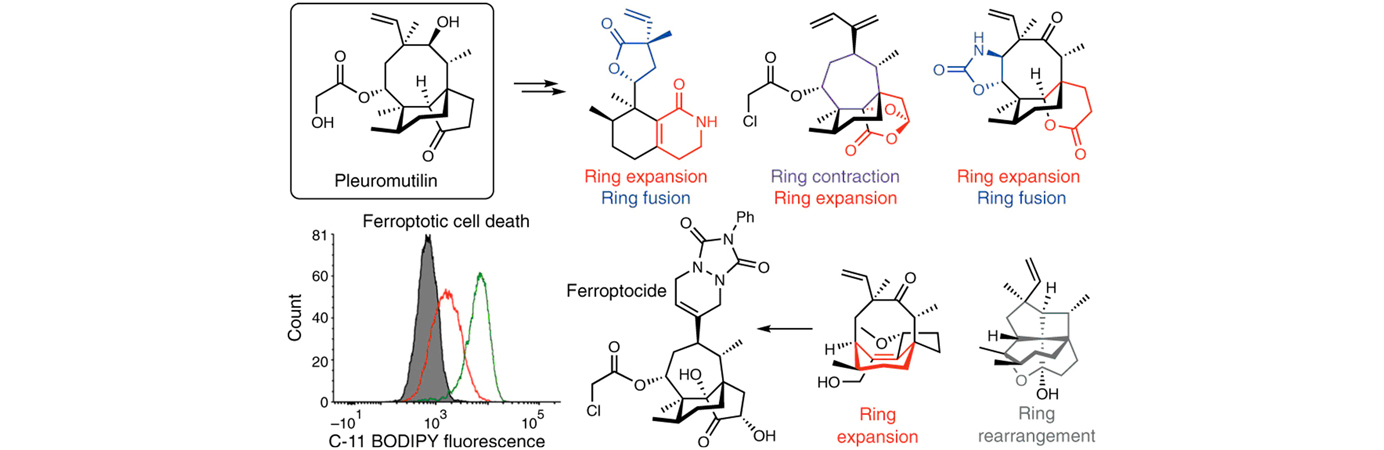
Karen Morrison received her B.S. in chemistry from Harvey Mudd College in 2008 and joined the Department of Chemistry at UIUC later that year as a Springborn Fellow and a National Science Foundation predoctoral fellow. Karen was part of the team that synthesized >160 complex and diverse compounds from natural products. In addition, Karen has published manuscripts on a novel and facile method for the evaluation of compounds that affect the tubulin/microtubulin dynamic, and on transcriptional profiling of PAC-1 and derivatives. Karen presented some of her work at the 2012 ACS meeting in San Diego, at the 2012 Bioorganic Gordon Research Conference, and at the Graduate Research Symposium at UC Boulder in July 2012.
Featured Hergenrother Group Member
Betsy Parkinson graduated with B.S. in Chemistry from Rhodes College and joined the Hergenrother lab in 2010 as a graduate student in chemical biology and as an NSF predoctoral fellow. Betsy is investigating the therapeutic potential of the novel anticancer compound DNQ, and was part of the team that discovered this compound’s mode-of-action and in vivo activity. Betsy presented some of her work at the November 2012 EORTC-NCI-AACR Symposium on 'Molecular Targets and Cancer Therapeutics' in Dublin, Ireland.
Featured Hergenrother Group Member
Dr. Robert Huigens is a post-doctoral fellow in the Hergenrother lab. Dr. Huigens was part of the team that synthesized >160 complex and diverse compounds from natural products. As of March 2013 Dr. Huigens will be an Assistant Professor in the Department of Medicinal Chemistry at the University of Florida.
Featured Hergenrother Group Member
Robert Hicklin received his B.S. in chemistry from the University of Central Missouri and joined the Hergenrother lab in the fall of 2010 as a graduate student in organic chemistry. Rob was part of the team that synthesized >160 complex and diverse compounds from natural products.
Featured Hergenrother Group Member
Timothy Flood defended his dissertation in December of 2012. While in the Hergenrother lab Tim worked on projects involving novel compounds, sensors, and bioassays. Tim was the computational mastermind behind the analysis of >160 complex and diverse compounds that were synthesized from natural products.
Featured Hergenrother Group Member
Michelle Richter received her B.S. in biochemistry from Union College and joined the Hergenrother lab in the Fall of 2011 as a graduate student in organic chemistry and a member of the NIH Chemical Biology Interface Training Program. Michelle was part of the team that recently reported the synthesis of >160 complex and diverse compounds that were synthesized from natural products.
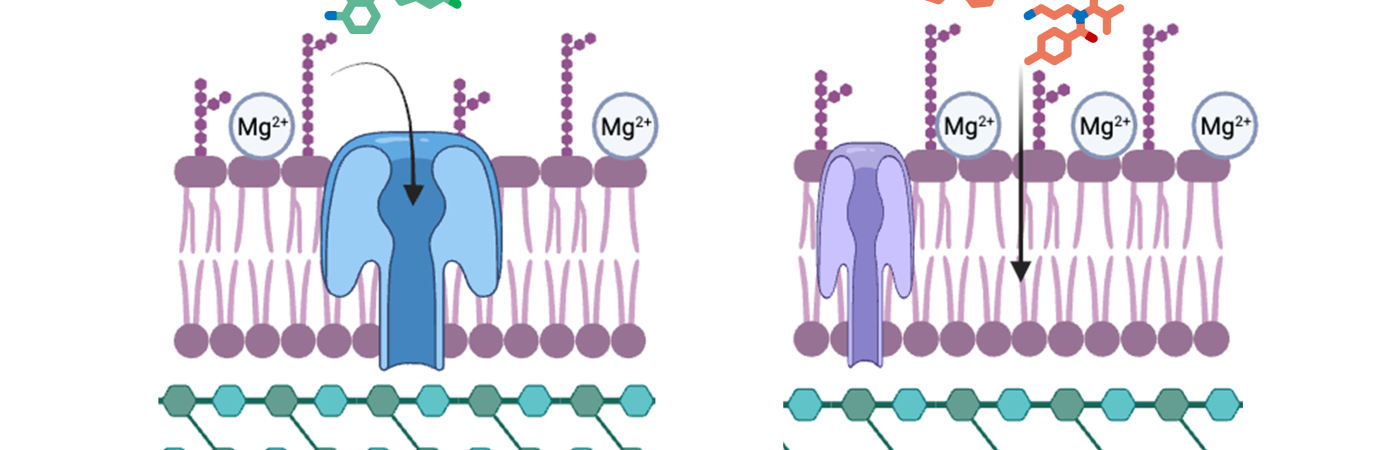
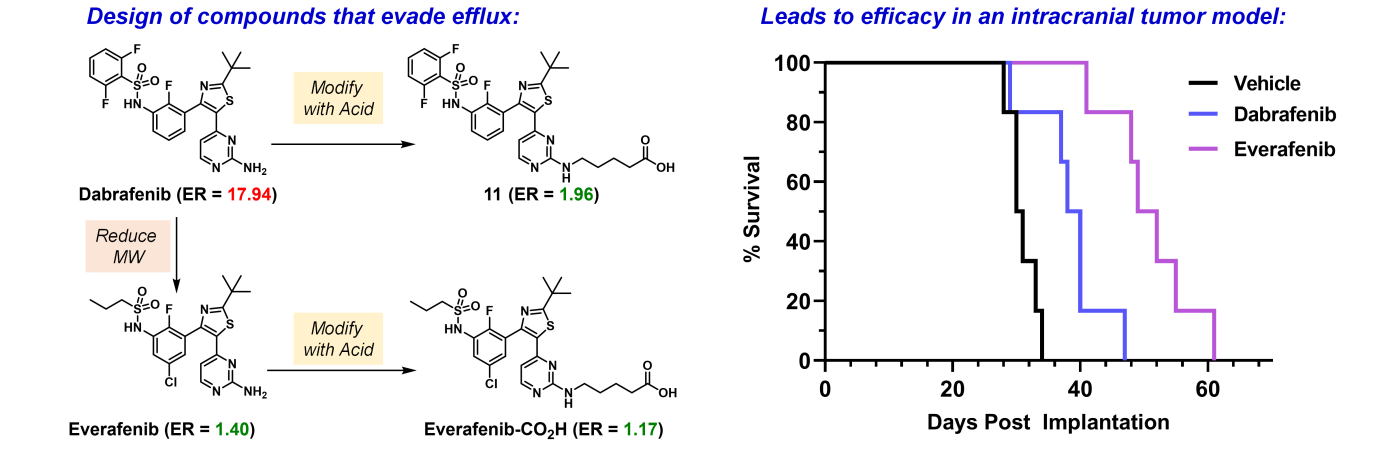
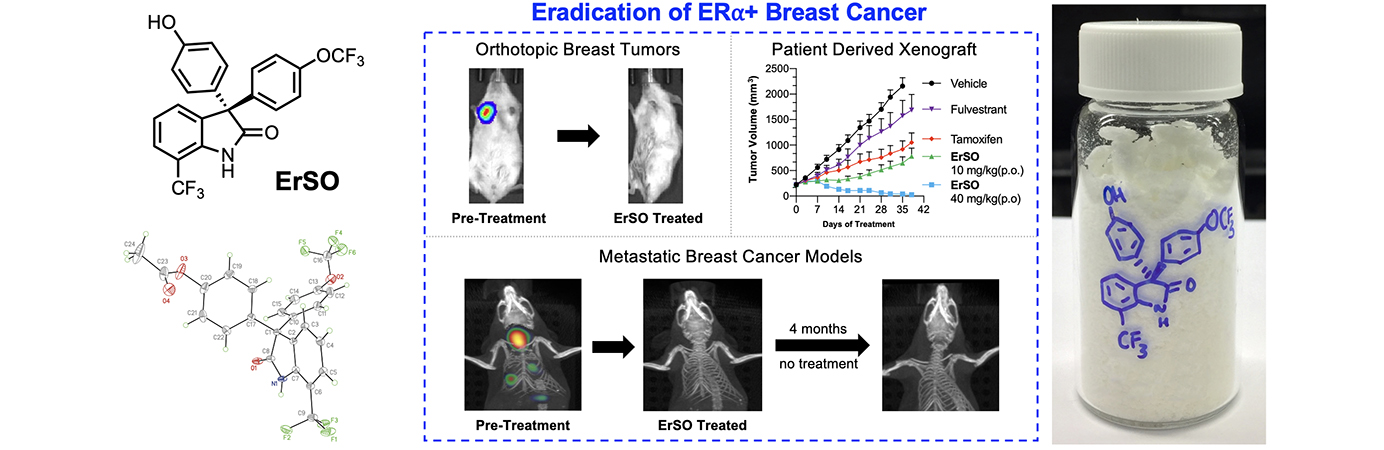
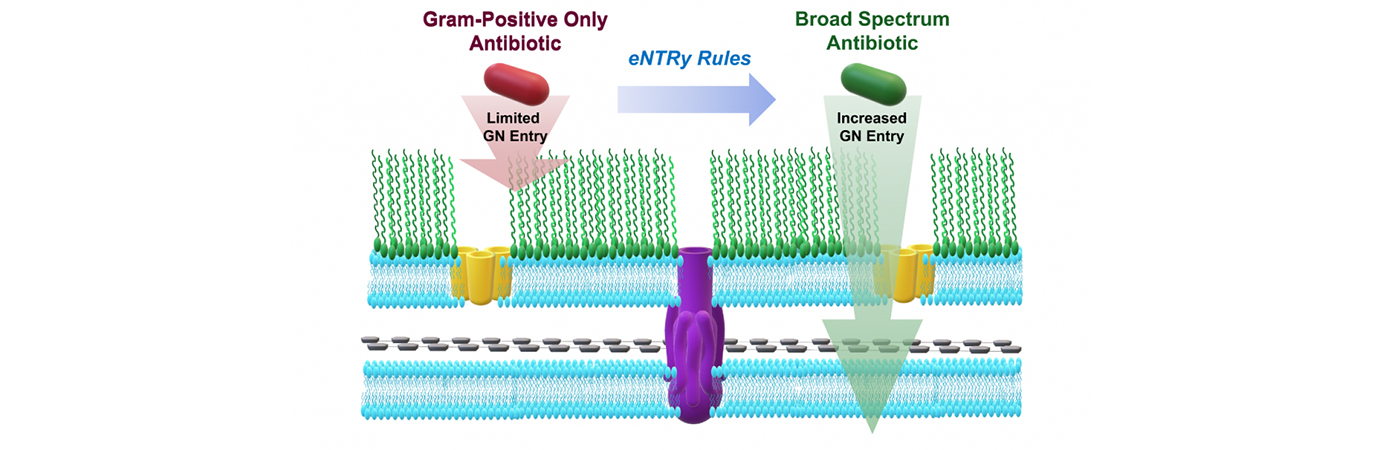
Welcome, our laboratory uses small organic molecules to identify and define novel targets for
the treatment of a variety of intractable biomedical problems. We use the tools of synthetic organic chemistry, biochemistry, combinatorial chemistry, high-throughput screening, and cell biology to explore disease states that have for a variety of reasons resisted the standard paradigm of drug discovery and development. In the course of this work we often obtain clinical samples from patients in an effort to both define the levels of a target in the patient population and to test the efficacy of our compounds in these clinical isolates. We are actively using small molecules to define novel biological targets for the treatment of cancer, neurodegeneration, and drug-resistant bacteria.